

Casinos That Accept Tether USDT in Australia
 Available in US
Understand the legal boundary, payment risks, account checks, bonuses, and game options linked to USDT casinos.

Table of Contents
- What Australian Players Need to Know Before Using Tether
- Tether Casinos Online: Fast Deposits, Different Chains, Real Risks
- Choosing a Tether Casino Without Mistaking Marketing for Protection
- The Practical Shape of a Tether Casino Site
- Slots, Bonuses, and the Deposit Conditions Behind Them
- Casino Games and the Payment Trail They Leave
- Live Dealer Tables and Crypto Payments
- Playing Tether-Funded Slots Without Losing the Plot
- Casinos with Tether: Deposits, Withdrawals, and the Name on the Account
- Tether Deposits, No-Deposit Offers, and the Banking Alternatives Australians Still Use
What Australian Players Need to Know Before Using Tether
Searching for casinos that accept Tether in Australia in 2026 leads to a legal distinction that is easy to miss. Tether, or USDT, is a payment asset. It does not make an online casino lawful for Australian customers, and it does not create an Australian casino licence where none exists.
Australia has no single gambling statute or central gambling authority covering every form of gambling. Responsibility is divided between the Commonwealth and the states and territories. That arrangement permits licensed local betting on sports and racing, as well as licensed lottery products, while drawing a much harder line around online casino games.
Under the Interactive Gambling Act 2001, online casino games offered to Australian customers are prohibited interactive gambling services. The category includes pokies, roulette, blackjack and live-dealer tables. No Australian-licensed real-money online casino exists for this market, and no Australian gambling licence exists for casino games because offering that product to Australians is against the law.
That is the first boundary around any Tether casino Australia search. A website may advertise USDT deposits, call itself a crypto casino, or present a mobile casino that accepts Tether. None of those descriptions changes its regulatory position. Australian-licensed operators cannot accept cryptocurrency for gambling as of June 2024, and they cannot lawfully offer the underlying online casino product to Australian residents either.
This page highlights casino options relevant to Australians looking to use Tether USDT in 2026. Use the list as a quick reference for checking licensing, available promotions, and entry requirements.
License: Curacao eGaming Licence · Min. deposit: A$10 Aussie Play is listed with a Curacao eGaming Licence and a minimum deposit of A$10.
License: Curacao eGaming Licence · Min. deposit: A$10 WinSpirit is listed with a Curacao eGaming Licence and a minimum deposit of A$10.
License: Curacao eGaming OGL/2023/174/0082 (Dama N.V.) · Bonus: up to A$10,000 + 500 free spins across 4 deposits · Min. deposit: A$15 LevelUp Casino operates under Curacao OGL/2023/174/0082 through Dama N.V. Its offer includes up to A$10,000 and 500 free spins across four deposits, with a A$15 minimum deposit.
License: Curacao Gaming Control Board (TechSolutions Group N.V.) · Bonus: 100% up to A$250 + 100 free spins (1st deposit) Bizzo Casino is licensed by the Curacao Gaming Control Board through TechSolutions Group N.V. It offers 100% up to A$250 plus 100 free spins on the first deposit.
License: Curacao · Bonus: up to A$10,000 multi-stage + 500 free spins · Min. deposit: A$20 (POLi) Lucky Dreams is listed with a Curacao licence and offers up to A$10,000 in a multi-stage promotion plus 500 free spins. The minimum deposit is A$20 via POLi.
License: Curacao OGL/2024/1335/0780 · Bonus: up to A$1,000 + 150 free spins, wager-free · Min. deposit: EUR 20 Vegaz Casino operates under Curacao OGL/2024/1335/0780. Its promotion offers up to A$1,000 and 150 free spins with no wagering requirement, while the minimum deposit is EUR 20.
License: Curacao Gaming Control Board OGL/2023/176/0095 (Hollycorn N.V.) · Bonus: 100% up to A$10,000 + 100 free spins GoldenCrown is listed with Curacao Gaming Control Board licence OGL/2023/176/0095 through Hollycorn N.V. Its promotion offers 100% up to A$10,000 plus 100 free spins.
License: Curacao Gaming Control Board · Bonus: up to A$5,000 + 400 free spins JustCasino is listed with a Curacao Gaming Control Board licence and promotes up to A$5,000 plus 400 free spins.
License: Curacao · Bonus: 100% up to A$500 + 200 free spins, 10x wagering · Payout speed: crypto 30-60 minutes, fiat 1-5 days · Min. deposit: A$10 Wild Tokyo is listed with a Curacao licence and offers 100% up to A$500 plus 200 free spins with 10x wagering. Crypto payouts are stated at 30–60 minutes, while fiat payouts take 1–5 days, and the minimum deposit is A$10.
License: Curacao, operated by Dama N.V. · Bonus: 325% up to 5.25 BTC + 250 free spins across 4 deposits 7Bit Casino is listed with a Curacao licence and is operated by Dama N.V. Its promotion offers 325% up to 5.25 BTC plus 250 free spins across four deposits.
The law is aimed at providers rather than players. An Australian resident does not commit a crime merely by placing a bet at an offshore site. That does not turn an offshore casino into a protected local service. It means the legal risk is structured differently: enforcement is directed at the business supplying the prohibited service, while the player remains exposed to the ordinary practical risks of dealing with an overseas operator.
A licence may therefore appear on an offshore casino site, but it will not be an Australian casino licence. Offshore operators commonly hold licences from Malta or Curacao. The relevant licensing authority may maintain a public register where a licence number and status can be checked. That kind of check can establish what an overseas operator claims to hold. It cannot establish that Australian law permits the casino product itself.
There is a second threshold, less dramatic but more immediate: gambling in Australia is restricted to people aged 18 and over. Age is not a decorative checkbox. It is part of the account and identity process, and a site may require evidence before allowing funds to be withdrawn. KYC checks are mandatory at every Australian online casino, with no workaround. Identity verification belongs to the basic transaction, not to an optional security upgrade offered after a lucky session.

The same practical rule applies to payment identity. The payment method must be in the same name as the casino account. The spelling on the profile, bank account and identification document should match. A mismatch can interrupt verification and prevent withdrawal until the issue has been completed. Crypto can look less attached to a person than a bank card, but an operator still connects deposits and withdrawals to an account holder. The blockchain may record an address; the casino still records a customer.
This is where the phrase “casino accept Tether” becomes misleading. Acceptance is not a universal technical feature. It is a decision made by a particular offshore operator under its own terms, verification process and risk controls. A site that accepts USDT from an Australian customer may still restrict access, request documents, refuse a transaction, or apply conditions attached to the account. The currency does not erase those conditions.
A specialist payment review describes crypto withdrawals as taking up to 24 hours when there is no network congestion. That is a payment observation, not a promise made by every online casino site that accepts Tether. Network conditions, internal approval and account checks remain separate parts of the journey. A specialist payment review also places USDT on TRC-20 at under A$1 in network fees and under five minutes for settlement. Those figures describe that route in that source, not a universal result for every USDT transfer or every tether casino.
The sensible reading is therefore narrow. USDT may be available at an offshore casino, but availability is not approval, speed is not certainty, and an overseas licence is not an Australian one. The rest is paperwork, technology and fine print.
And age first.
Legal Status Offshore operator, not Australian-licensed
Age Requirement 18 and over
Identity Verification Mandatory KYC required
Payment Method Identity Must match casino account name
Tether Casinos Online: Fast Deposits, Different Chains, Real Risks
Tether can look deceptively simple on a casino payment screen: select USDT, copy an address, send funds, and wait for the balance to appear. The difficult part is not the coin’s name. It is the route underneath it. USDT exists on more than one blockchain, and a casino may support only particular networks. A payment made in the wrong format can leave the sender with very little recourse.
That distinction matters especially when comparing an online casino accepting Tether with an ordinary AUD payment method. A bank transfer has a familiar destination and a banking trail. A crypto transfer is controlled by the wallet address and the selected chain. The transaction does not become safer merely because the casino labels its cashier “crypto-friendly”.
The casino cashier is only half the transaction
A Tether deposit normally involves three separate elements:
- the casino account;
- the USDT wallet address shown by the cashier;
- the blockchain network selected in the wallet.
All three must agree. The account needs to be open and eligible for deposits, the address must be copied accurately, and the network must be the one named by the casino. An address that looks correct is not enough. Digital payment systems have a talent for making a serious mistake look like a minor spelling error.
A mistyped crypto wallet address is irreversible. Sending Tether through a different chain from the one selected by the recipient may also be unrecoverable. The casino may not control that network, and its support team may have no technical way to retrieve or credit the funds. A screenshot of the transfer does not change this. It proves that something was sent, not that it reached the correct destination.
The practical rule is narrow and unglamorous: read the network label before copying the address, then check it again in the wallet before confirming. A small test transfer can reduce uncertainty where the wallet and casino allow it, although it cannot repair a wrong-chain transaction after the fact.
Speed depends on the chain, not the slogan
Crypto deposits and withdrawals are described as fast in a specialist payment review, with withdrawals taking up to 24 hours when the network is not congested. That description covers two different stages. The blockchain may confirm a transaction quickly, while the casino still holds a withdrawal for internal processing, account checks, or approval.
USDT on the TRC-20 network is described in a specialist payment review as carrying network fees under A$1 and settling in under five minutes. Those figures belong to that stated network route, not to every Tether transaction. Congestion, wallet policy, the casino’s confirmation rules, and the need for manual review can all affect the practical result.
A deposit may therefore appear in two parts: first as a transaction visible on the blockchain, and later as a credited casino balance. Withdrawals work in the opposite direction. The casino can mark a request as processed before the funds have arrived in the external wallet. “Processed” is not necessarily the same as “spendable”.
- Read the network label before copying the address
- Check the network again in the wallet before confirming
- Use a small test transfer if allowed
- Send Tether through a different chain than the one selected
- Rely on a screenshot to fix a mistyped address
- Assume “instant” means immediate availability
This is where the phrase “instant crypto casino” becomes more advertisement than measurement. Instant confirmation, instant cashier credit, and instant withdrawal approval are separate claims. They should not be folded into one cheerful word.
Conversion is not always invisible
USDT is designed to track the value of the US dollar, but an Australian player may still encounter AUD conversion inside the casino account, at the wallet provider, or through a third-party exchange. Cryptocurrency transactions can be instant and may have zero conversion fees, according to a specialist payment review. That does not mean every operator, wallet, or conversion route offers the same treatment.
The cashier should make clear whether the account is held in USDT or displayed in AUD, and whether the deposit is credited as the amount sent or converted into another account currency. The important details are not decorative:
- the currency accepted by the cashier;
- the network supported for USDT;
- any stated conversion charge;
- the amount that must arrive after network costs;
- the currency and destination used for a withdrawal.
A casino that hides these points behind a generic “deposit crypto” button is asking the payment method to carry the burden of its own vagueness.
Privacy has limits
Cryptocurrency can offer enhanced privacy compared with a card payment, but privacy is not invisibility. The blockchain records the transaction, while the casino may still require identity checks before accepting deposits or releasing withdrawals. A wallet address can also become associated with an account through the payment history.
That combination creates an odd modern arrangement: the payment rail is public, the account is subject to verification, and the player may still have less practical protection than with a conventional bank. The absence of card details in a cashier does not remove the need to protect account credentials. Login details and one-time passwords should never be shared in chat, including with someone claiming to be support staff. A request to verify a card through a link not opened from the official site is a reason to stop.
Tether on mobile is still blockchain payment
A mobile casino interface does not simplify the underlying transfer. It may make it easier to scan a QR code or move between a wallet and the cashier, but the same address and network risks remain. A small screen also makes it easier to overlook a chain label, a conversion notice, or a withdrawal instruction.

The sensible sequence is therefore mechanical rather than exciting: open the official cashier, select USDT, identify the exact network, compare the address with the wallet destination, and retain the transaction reference. For withdrawals, the receiving wallet must support the same route. Tether is not a single road. It is a currency travelling on different roads, and the wrong turn is final.
Choosing a Tether Casino Without Mistaking Marketing for Protection
A polished Tether casino site can look reassuring while saying very little about the things that matter after a deposit. Bright banners, a large games menu and the phrase “instant crypto payments” are not evidence of sound administration. They are decoration with a payment button attached.
For Australian players, the first distinction is legal rather than cosmetic. No Australian-licensed real-money online casino exists, and Australian-licensed operators cannot accept crypto for gambling. An offshore site may therefore present Tether as an available route, but that does not turn the site into a locally licensed casino. The Interactive Gambling Act 2001 targets providers, not players; the provider’s location and licence still matter when assessing what protection is actually available.
Read the payment terms before the payment screen
A credible site should explain its Tether policy in plain language. The useful details are not hidden behind a slogan:
- which Tether route is supported;
- whether deposits and withdrawals use the same route;
- whether conversion from Tether to another account currency is applied;
- whether the operator adds a payment or withdrawal charge;
- whether a withdrawal can be redirected to another method;
- what happens if a transaction is delayed or rejected.
Crypto transactions can be instant, carry zero conversion fees and provide enhanced privacy, but those properties belong to the payment technology, not automatically to the casino. A site can still impose its own review, hold funds during verification or apply a different internal currency procedure. “Fast” describes a possible transaction path. It does not describe the operator’s decision-making.
A specialist industry review reports that crypto withdrawals may take up to 24 hours when there is no network congestion. That is a useful reference point, not a promise. Network conditions and operator checks remain separate events, and confusing them is how marketing acquires the appearance of infrastructure.
Identity checks are not an optional inconvenience
KYC checks are mandatory at every Australian online casino, with no workaround. An offshore operator may request identity documents before accepting a withdrawal, after an unusual account event or as part of its standard process. The exact moment can vary; the obligation to complete the check does not.
Verification Checklist
The account details should tell one consistent story. The spelling on the AUD99 profile, the bank account and the identity document should match. The payment method must also be in the same name as the casino account. A Tether wallet does not erase that requirement. Nor does a crypto deposit make an anonymous withdrawal a reasonable expectation.
A site that explains its verification stages is easier to assess than one that merely promises “no verification”. That phrase is not protection. It may mean the policy is unclear, temporary or designed to attract deposits before the real conditions appear.
Security is equally practical. Login details and one-time passwords should never be shared in chat, including with alleged support staff. A request to verify a card through a URL not opened from the official site is a stop sign. The safest account is not the one with the most reassuring badge; it is the one whose procedures remain understandable when money is being moved.
Withdrawals reveal the operator’s character
Deposits are designed to be smooth. Withdrawals are where the administrative personality appears.
A site should state what documentation can be requested, which payment routes are available for cashing out, and whether funds must go back to the same method. Visa and Mastercard withdrawals typically take one to five business days and may be rerouted to another method. Bank transfers are described as the most popular withdrawal option among Australians, but also as the slowest, taking up to seven business days. These routes illustrate why a Tether casino should not be judged solely by the speed of its deposit button.

A withdrawal policy that says only “fast payouts” leaves too much unsaid. Does “fast” mean instant approval, release by the operator or arrival in a bank account? Those are different stages. The distinction is dull, but money is often lost in dull distinctions.
The same scrutiny belongs to rejected or cancelled withdrawals. Clear terms should explain whether the casino can return funds to another route, whether additional checks pause processing and whether a bonus balance affects eligibility. If the wording changes between the payment page, the terms and the support response, the inconsistency is itself evidence.
Bonuses are conditions, not shelter
A “best Tether casino bonus” is not a quality mark. It is an offer whose conditions need to be read separately from the casino’s general reliability. The relevant questions concern eligibility, deposit requirements, wagering requirements, expiry language and withdrawal restrictions. Bonus wagering requirements must be completed before withdrawal.
Common Bonus Questions Understanding the difference between a promotional balance and withdrawable cash is essential. Wagering requirements must be met before funds can be moved.
This is why promotional size should rank below transparent administration. A large offer can be unusable if the site explains the conditions poorly or changes the interpretation after a deposit. The same applies to claims about the latest bonuses, the best Tether games or the best slots: a promotional label says nothing about identity checks, account security or payout handling.
The sensible order is less glamorous. First, establish who operates the site and which offshore licence it claims to hold. Then read the payment, verification, withdrawal and bonus terms as one document rather than as isolated banners. Finally, check whether support gives consistent answers without asking for passwords, one-time codes or unsafe links.
No marketing phrase can replace that work. The banner is not the safeguard.
The Practical Shape of a Tether Casino Site
A usable Tether casino site should reveal its payment architecture before registration becomes a commitment. The important details are not hidden behind a bright “crypto accepted” badge. They sit in the cashier, the terms, and the withdrawal page: which Tether network is supported, whether the account balance is displayed in USDT or another currency, how transactions are confirmed, and what happens when crypto is unavailable for a particular transaction.

The network matters. A site accepting USDT on TRC-20 should label that route clearly rather than presenting one generic wallet address and leaving the rest to guesswork. A specialist payment review reports that TRC-20 USDT transactions can carry fees under A$1 and settle in under five minutes. That is a route-specific observation, not a promise for every casino or every market condition. The address and chain must match exactly. A mistyped wallet address is irreversible, while sending Tether on the wrong chain may be unrecoverable. A tidy cashier is therefore more than decoration.
What should be visible before payment
Before an account is funded, the site should show:
- the supported Tether network or networks;
- the minimum and maximum deposit and withdrawal amounts, if applicable;
- whether the balance is held in USDT or converted into another account currency;
- the confirmation and processing stages;
- any conversion, network, or operator fees;
- the documents required before a withdrawal;
- whether a crypto withdrawal can be redirected to another payment method.
A specialist review describes crypto withdrawals as taking up to 24 hours when there is no network congestion. The wording matters: blockchain conditions and internal approval are separate parts of the journey. A transaction can leave the casino’s queue while the network still takes its own time. “Instant” is a label that often describes a deposit notification, not the whole financial event. Small print earns its keep here.
A site that accepts Tether should also explain what happens when the casino’s preferred route is unavailable. Some operators separate the crypto cashier from AUD banking. Others display all methods together, with the practical consequence that an Australian player may deposit through Tether but withdraw through a different channel after verification. The relationship should be stated plainly, not buried in a general payments paragraph.
Crypto beside ordinary banking
The ordinary cashier provides a useful comparison. Visa and Mastercard deposits are widely accepted and are processed instantly, within seconds to minutes, where supported. Their withdrawals typically take one to five business days and may be rerouted to another method. Skrill and Neteller withdrawals typically process within hours, with Skrill often under 24 hours. Those routes may look less novel than USDT, but novelty is not a service standard.
A well-built site therefore distinguishes deposit speed from withdrawal speed and approval from receipt. It shows whether the same method is available in both directions, whether a bank transfer is required after a crypto deposit, and whether identity checks stand between a completed payment and released funds. KYC checks are mandatory at every Australian online casino, with no workaround.
Deposits are processed instantly; withdrawals typically take one to five business days.
Digital routes where withdrawals often process within hours.
A familiar option, but often the slowest, taking up to seven business days.
For Australians, the presentation also needs legal honesty. No Australian-licensed real-money online casino exists, and Australian-licensed operators cannot accept crypto for gambling. Offshore sites may present Tether, cards, and e-wallets in one cashier, but that menu does not turn an offshore casino into a locally licensed one. Nor does a polished payment page make a prohibited product domestic.
The best online Tether casino site, in practical terms, is not the one with the loudest bonus banner. It is the one whose cashier explains the route before money moves: network, currency, timing, verification, and the possible exit. Clear enough to read. Specific enough to matter.
Slots, Bonuses, and the Deposit Conditions Behind Them
A Tether-funded slot session begins with a payment, but the promotional offer attached to it may matter more than the payment itself. A casino can credit USDT quickly and still place the resulting bonus behind conditions that make withdrawal unavailable for some time. The word “bonus” is therefore only the bright label on a fairly technical contract.
A welcome offer may apply to the first Tether deposit, to a later deposit, or to a particular payment route. The terms should state whether the promotion is available when the account balance is held in USDT, whether the deposit must be made through a specified network, and whether the bonus is credited automatically. If these points are absent, the offer is not clear enough to value.
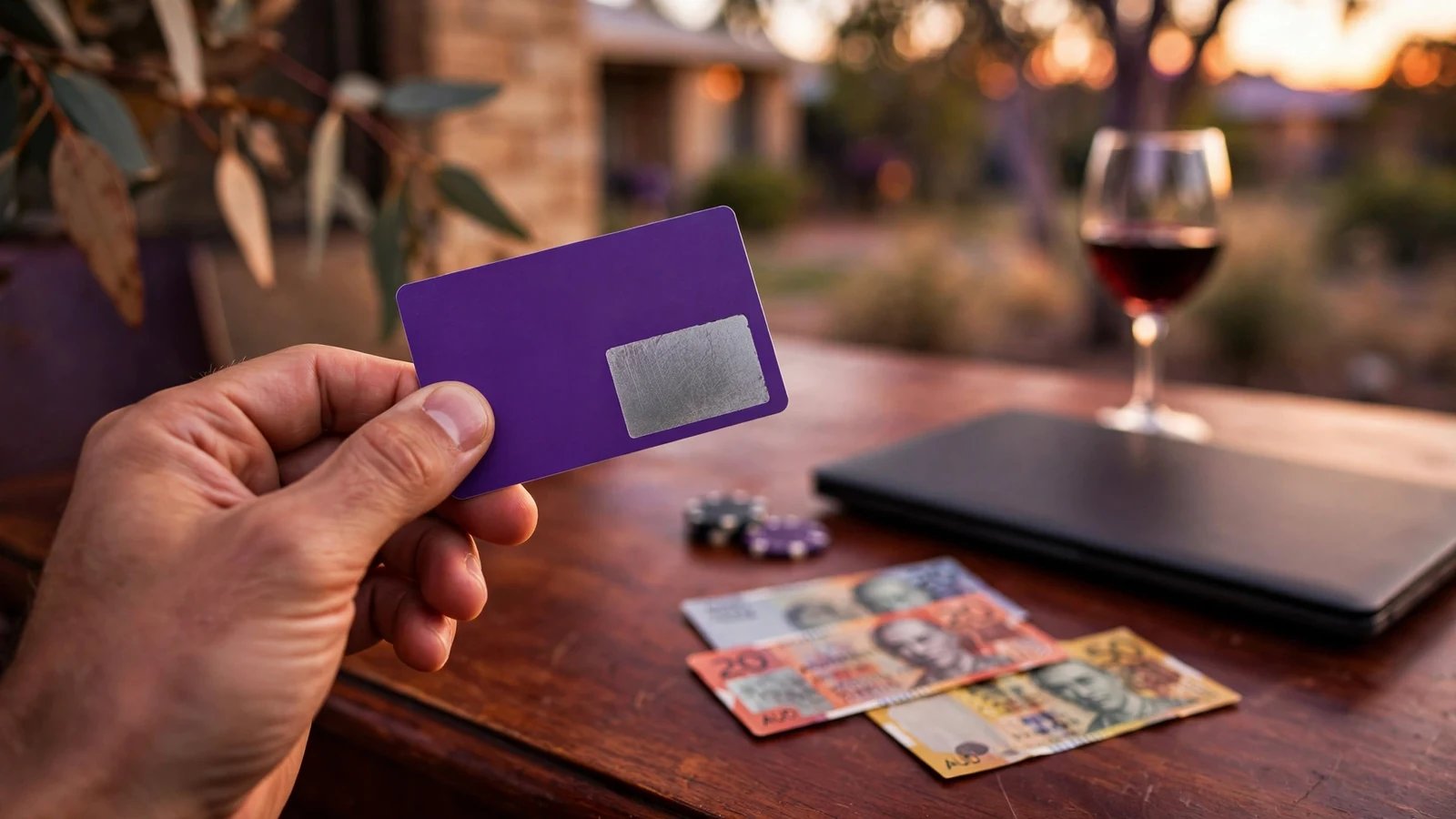
Deposit bonuses and slot play
Deposit bonuses normally divide the balance into at least two parts: deposited funds and promotional funds. The distinction can affect which amount is available for withdrawal, which games contribute towards the wagering requirement, and whether a withdrawal request cancels the offer. Tether does not erase those rules. It merely supplies the funds.
The wagering requirement must be completed before withdrawal. That condition applies to promotional money, and it can also affect winnings generated while the bonus remains active. A promotion described as a “best Tether slots bonus” is not necessarily the most useful one; a larger headline amount may come with narrower game eligibility or stricter expiry language. The arithmetic is less glamorous than the banner. It is also the part that decides the outcome.
Before activating a tether casino deposit bonus, the account terms should make clear:
- the eligible deposit and currency route;
- the wagering requirement;
- which slot play counts towards it;
- any maximum withdrawal attached to the promotion;
- the time allowed for completion;
- what happens if the player withdraws before completion.
No additional figures should be inferred from promotional language. If the operator does not state a multiplier, limit, or time condition plainly, the missing term is a reason to pause rather than an invitation to guess.
“No deposit” does not mean no conditions
A tether casino no deposit bonus may be advertised as free Tether slots or no deposit Tether slots, but “no deposit” describes how the promotion begins, not how its winnings become cashable. Registration, identity checks, game restrictions, wagering requirements, and a withdrawal cap may still apply. The promotional balance can appear in the account while remaining unavailable for withdrawal.
KYC checks are mandatory at every Australian online casino, with no workaround. The account holder must also be at least 18. A no-deposit promotion does not suspend either requirement. Nor does it turn promotional funds into ordinary funds merely because a slot win has been recorded.
Reading the withdrawal route
The payment method affects the practical end of the promotion. A specialist review reports that crypto withdrawals can take up to 24 hours when the network is not congested; that is a source-specific description, not a universal promise. For USDT on TRC-20, the same type of review gives network fees under A$1 and settlement in under five minutes. The actual casino terms and network conditions remain decisive.
Irreversible Mistake Attention A mistyped crypto wallet address or sending Tether via the wrong blockchain network is often unrecoverable.
If the operator reroutes a withdrawal, the route may differ from the deposit. Visa and Mastercard withdrawals are described as taking 1 to 5 business days and may be sent through another method. A specialist review also reports a possible operator fee of 1.45% for Skrill and fees reaching 2.5% for Neteller at some operators. Promotional balance, payment route, and account verification meet at the same inconvenient checkpoint: withdrawal.
Casino Games and the Payment Trail They Leave
Tether changes the route into a casino game, not the game itself. A slot, roulette table, or blackjack interface does not become a different product because the balance was funded with USDT. The distinction appears behind the screen: at deposit approval, currency conversion, blockchain confirmation, and withdrawal review. The entertainment is familiar. The paperwork has merely acquired a wallet address.
A Tether casino payment normally begins with the operator displaying a deposit address and specifying the supported network. The player sends USDT, waits for the transaction to be recognised, and then sees the amount credited to the casino balance. A transaction on the wrong chain may be unrecoverable, so the selected network is part of the payment instruction, not a technical footnote. A mistyped wallet address is likewise irreversible.
A specialist gambling review reports that USDT on TRC-20 can carry network fees under A$1 and settle in under five minutes. That is a reported route, not a universal promise: congestion, exchange handling, and the casino’s own approval process can still change the experience. The same review describes crypto withdrawals as taking up to 24 hours when there is no network congestion. “Fast” has conditions.

The selected payment route also leaves a visible trail in the account. An operator may record the transaction hash, wallet address, currency, network, deposit amount, and withdrawal destination. That does not make an anonymous Tether casino genuinely anonymous. KYC checks remain mandatory, and the payment method must be in the same name as the casino account. Blockchain privacy is not the same thing as freedom from identity checks.
The contrast with card-funded play is practical. Visa and Mastercard deposits are widely accepted and are processed instantly, within seconds to minutes when supported. Withdrawals through those cards typically take one to five business days and may be rerouted to another method. Tether can therefore shorten the movement of funds in one direction while creating a different withdrawal route when the operator cannot send money back to the wallet used for the deposit.
Bonuses add another layer to the trail. A Tether casino bonus may attach wagering conditions to the credited funds, and those requirements must be completed before withdrawal. The deposit method does not erase the promotion’s contract. A balance can appear available for play while remaining unavailable for cash-out.
This is why payment speed should not be confused with access to winnings. The route may be quick; the account review, bonus status, and withdrawal method still decide what happens next. Different machinery, same gate.
Essential Summary
- USDT availability does not equal legal approval in Australia.
- Network selection (like TRC-20) is as critical as the address itself.
- KYC and identity matching are mandatory requirements for all players.
- Always distinguish between deposit speed and withdrawal processing times.
Live Dealer Tables and Crypto Payments
A live-dealer table and its payment rail are separate pieces of the same website. The first concerns streamed play, dealer interaction, table limits, and the platform’s handling of bets. The second concerns how Australian dollars or Tether reaches the account, how the transaction is identified, and whether a later withdrawal can follow the required route. A polished studio does not make a payment system reliable. Nor does a fast blockchain make a table fair.
Platforms presenting live roulette, blackjack, or other dealer-led games may list USDT among their crypto options. Before a deposit, the currency label is not enough. The cashier must show the supported network. Tether sent through TRC-20 is not interchangeable with Tether sent through another chain merely because both display “USDT”. The address and network selected at the cashier need to match the wallet route exactly.
A specialist payment overview reports that USDT on TRC-20 carries network fees under A$1 and settles in under five minutes. That is a reported route-specific figure, not a promise for every live-dealer platform: congestion, wallet handling, and operator approval can still change the experience. The same caution applies to withdrawals. A specialist payment overview states that crypto withdrawals can take up to 24 hours when there is no network congestion. “Instant” in a banner may describe blockchain settlement, not the casino’s internal review.
The practical sequence is therefore rather plain:
- Open the cashier from the official casino site.
- Select USDT and confirm the displayed network.
- Copy the address rather than retyping it.
- Check the chain again before sending.
- Keep the transaction record until the balance and any withdrawal are resolved.
A mistyped address is irreversible, and sending Tether on the wrong chain may be unrecoverable. Live dealer atmosphere cannot repair either mistake. Where crypto is not available, Visa and Mastercard deposits are widely accepted and are processed within seconds to minutes when supported. The table may feel immediate. The payment still deserves the slower decision.
Playing Tether-Funded Slots Without Losing the Plot
Once a Tether deposit has reached the casino balance, the practical route to slot play is fairly plain: open the games area, confirm that the balance is shown in USDT, and keep the wallet separate from the gambling session. The wallet is a funding tool, not a second game interface. Leaving funds on an exchange or personal wallet after the deposit has cleared also avoids treating the casino account as storage.
A crypto-focused industry review describes digital-asset withdrawals as taking up to 24 hours when the network is not congested. That is a processing expectation, not a promise of instant cash. The network still matters. The same type of review puts a USDT transfer on TRC-20 at under A$1 in network fees and under five minutes for settlement. Those figures belong to that source’s description, not to every transaction or operator.
The sensible sequence is therefore unglamorous:
- Check that the casino displays the credited USDT balance.
- Confirm the selected network before any later transfer.
- Play only with the balance that has actually arrived.
- Keep deposit records and transaction details.
- Treat the withdrawal page as part of the account terms, not as an afterthought.
A mobile site or casino app does not change these fundamentals. The wallet address, chain, identity checks and account conditions remain in force on a smaller screen. “Provably fair” language, where offered, may describe game verification; it does not make a Tether transaction reversible or remove withdrawal controls.
Bonus funds create the sharpest break between playing and cashing out. A completed deposit can support slot play while the associated bonus still blocks withdrawal until its wagering requirements are completed. The visible balance may therefore contain money that cannot yet leave the account.
If a withdrawal is rerouted from crypto to a card, the timetable changes again. A payment-method review states that Visa and Mastercard withdrawals take one to five business days and may be sent through another method. The trail is less cinematic than the advertising. Still a trail.
Casinos with Tether: Deposits, Withdrawals, and the Name on the Account
A casino with Tether does not treat the wallet as a detached financial identity. The casino account, the person completing verification, and the source of the funds still need to make sense as one record. KYC checks are mandatory at Australian online casinos, with no workaround, and gambling is restricted to people aged 18 and over.
Is an offshore Tether casino legal in Australia?
An Australian resident does not commit a crime by playing at an offshore site, but these sites are not regulated by Australian law.
Can I use a different name for my Tether wallet?
No, the payment method must be in the same name as the casino account to prevent verification issues.
How long do crypto withdrawals take?
While blockchain settlement can be fast, withdrawals can take up to 24 hours due to internal casino processing and account checks.
That matters when making a casino with Tether deposit. The payment method must be in the same name as the casino account. The spelling on the profile, bank account, and identification document should match. A mismatch can interrupt verification and prevent a withdrawal from being completed. Administrative glamour, stripped to its frame.
What a Tether casino withdrawal involves
A casino with USDT may process a withdrawal through the same crypto route used for the deposit, but the account’s own terms control the procedure. The wallet address must be entered accurately: a mistyped crypto address is irreversible, and sending Tether on the wrong chain may be unrecoverable. The blockchain is not a complaints department.
A specialist gambling review reports that crypto withdrawals can take up to 24 hours when there is no network congestion. That is a reported operating timeframe, not a universal promise. Network conditions, account checks, and the operator’s approval process can still affect when funds arrive.
Players who choose to play casino with Tether should therefore keep the payment trail consistent: use an account held in the same name, retain transaction details, and avoid moving funds through another person’s wallet when the operator’s rules do not permit it. If verification remains incomplete, withdrawal will not be available.
Where a casino redirects a withdrawal to Visa or Mastercard, a specialist gambling review gives a processing window of one to five business days, and the funds may be rerouted to another method. The visible payment button is only the beginning; ownership and verification decide the ending.

Tether Deposits, No-Deposit Offers, and the Banking Alternatives Australians Still Use
A casino accepting Tether deposits may advertise a welcome offer, but “no deposit” rarely means cash without conditions. A Tether casino no-deposit bonus can require a qualifying account, identity checks, restricted play, or completed wagering requirements before any withdrawal is possible. Bonus codes do not change that contract. They only activate the offer attached to them. The small print remains the larger object.
There is also a legal boundary that promotion cannot decorate away: Australian-licensed operators cannot accept crypto for gambling, and no Australian-licensed real-money online casino exists. Offshore sites may take Tether, but promotional language is not a substitute for understanding the operator’s status or withdrawal rules. Marketing is not a safety system.
For those who prefer AUD casino banking, the alternatives are more familiar:
- PayID is instant and free in AUD, supported by most Australian banks and settled through the New Payments Platform.
- POLi, developed in Melbourne, links directly to a bank account without requiring a credit or debit card.
- BPAY connects a bank account to a payment gateway using a Biller code and Customer Reference Number; a specialist review reports that casino deposits may take a full day to appear, so this should not be treated as a universal market rule.
- Flexepin, Neosurf, and Paysafecard use vouchers, limiting the need to share bank details; Neosurf uses a 10-digit PIN, while Paysafecard uses a 16-digit PIN.
- Visa and Mastercard deposits are widely accepted and processed within seconds to minutes where supported.
- Skrill, Neteller, Apple Pay, and Google Pay offer digital routes, although withdrawals may be redirected.
- Bank transfers remain a familiar withdrawal choice, despite being described as the slowest option, taking up to seven business days.

No single route is universally better. The useful one is the method whose fees, conditions, and identity requirements are visible before money moves.
How can players know if an online casino will accept American Express?
Check whether American Express is listed among the casino’s supported deposit methods before registering or depositing. It is accepted by fewer casinos than Visa or Mastercard, and withdrawals are rarely supported.
Can Australians use locally licensed online casinos for normal online casino games?
No. Australian-licensed operators cannot lawfully offer online casino games such as pokies, roulette, blackjack or live-dealer tables to Australian customers.
Does Neosurf charge fees?
Neosurf allows fee-free casino deposits. Deposits use a 10-digit PIN and are limited to the cash loaded on the voucher.
Why do casinos accept PayID for deposits but not withdrawals?
PayID is an instant, free AUD payment method supported by most Australian banks, but casino withdrawals may be routed through another payment method rather than returned through PayID.
Can Australians legally use Neosurf at online casinos?
Neosurf can be used for deposits without sharing bank details, but it does not make an online casino lawful in Australia. Online casino games offered to Australian customers are prohibited interactive gambling services.
How can a player verify an online casino Australia licence?
An Australian casino licence cannot be verified because no Australian gambling licence exists for online casino games. For an offshore operator, check its claimed overseas licence number and status in the relevant licensing authority’s public register.
Does American Express work at Australian online casinos in 2026?
Yes, some online casinos support American Express deposits, which are usually credited instantly, but it is less widely accepted than Visa or Mastercard. Australian card issuers may block gambling transactions by default.
Created by the ”Betting Top 10 Australia” editorial team.